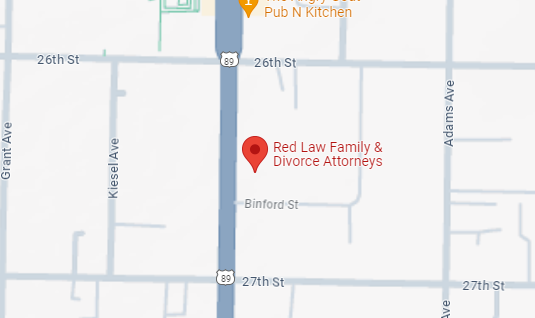
Our North Ogden mediation lawyer at Red Law Family & Divorce Attorneys can help you prepare for mediation, evaluate settlement proposals, protect your legal rights, and turn negotiated terms into an enforceable agreement. Family law disputes are stressful, and mediation offers a path toward resolution that can save you time, money, and the emotional toll of a courtroom fight. Our law firm assists clients in North Ogden and surrounding Weber County communities with every stage of the mediation process.
Family law mediation may address:
A neutral mediator does not decide the case or provide legal advice to either side. The mediator helps parties communicate effectively and find solutions that work for both sides. Utah courts require mediation in many contested divorce cases, which means understanding the process before you walk in can make a real difference in the outcome. Call Red Law Family & Divorce Attorneys at (801) 477-0733 to discuss your situation.
Red Law Family & Divorce Attorneys can help you enter mediation with clear goals, complete financial information, and a realistic understanding of Utah law. Many families come to mediation unprepared, and that lack of preparation can lead to agreements that do not protect their interests or their child's life and well-being. Our attorneys make sure you are ready before the first session begins.
Here is how our legal team can assist:
We provide compassionate communication and practical solutions during every stage of the process. A divorce lawyer from our firm can protect your interests while still seeking common ground with the other party. Red Law Family & Divorce Attorneys handles family law matters involving North Ogden and Weber County families, and we bring familiarity with local courts and procedures to every case.



Family law mediation is a structured negotiation in which a neutral mediator helps the parties discuss disputed issues and explore voluntary solutions. It is a form of alternative dispute resolution that gives families more control over the outcome than traditional litigation. Mediation is not a courtroom hearing, and the mediator does not act as a judge.
The mediator's role includes:
The mediator does not decide who wins, issue a court order, represent either party, or force either party to accept terms. Mediation is different from arbitration, informal negotiation, collaborative divorce, and court litigation. The parties may meet in the same room, in separate rooms via caucus, remotely via video, or through their attorneys. An agreement reached in mediation becomes enforceable only after it is properly documented, signed, and, where required, incorporated into a court order.
Utah family mediation involves preparation, guided negotiation, and formal documentation of any agreed terms. The sections below explain when mediation is required, which issues can be resolved, and how confidentiality works in the mediation process.
Utah generally requires parties to attend at least one mediation session when contested divorce issues remain after the respondent files an answer. This requirement reflects the state's preference for resolving conflicts outside the courtroom whenever possible. Mediation can save families both time and money compared to a full trial.
Under Utah Code § 81-4-403, parties in a contested divorce must:
Attending mediation does not require either party to settle. Mediation usually must occur before the contested case proceeds toward trial, but temporary orders may still be entered while mediation is pending. The court or a mediation program may excuse mediation for good cause, including domestic violence, safety risks, a severe power imbalance, an inability to participate meaningfully, or other case-specific circumstances. A formal request is generally required to be excused from the mediation requirement.
Mediation can address nearly every disputed family law issue that the parties have legal authority to resolve. The scope of mediation extends well beyond divorce itself, covering child-related matters, financial disputes, and post-decree conflicts. Resolving disputes through mediation allows families to preserve relationships and reach amicable agreements without the adversarial nature of court.
Issues that mediation can address include:
Child-related agreements remain subject to court review, and proposed custody terms should reflect the child's best interests. Child support must comply with Utah's statutory guidelines unless a lawful deviation is supported. Some rights cannot be privately waived through mediation, and your attorney should identify those limits before you enter the process.
Mediation communications are generally privileged and are usually not discoverable or admissible in later court proceedings. This confidentiality encourages candid settlement discussions and helps parties speak freely about their concerns, priorities, and potential compromises. The private setting of mediation allows for honest opinion sharing that would be risky in a public courtroom.
Under Utah Code § 78B-10-104, the privilege protects statements made during mediation. However, confidentiality does not extend to evidence that exists independently of mediation, signed settlement documents, or court-filed agreements. The privilege may be waived or limited under specified statutory exceptions.
Mediation confidentiality does not protect threats, disclosures of abuse, evidence otherwise discoverable through other means, or statements that fall within statutory exceptions. The mediator does not testify about what happened during negotiations. Do not treat mediation as "completely secret" or "always confidential without exception"; the protection has specific legal boundaries that your attorney should explain.


Successful mediation depends on accurate information, realistic legal expectations, clear priorities, and each party's voluntary ability to negotiate. Walking into mediation without a clear idea of what you need and what you are willing to give up is one of the most common mistakes families make. Preparation is the foundation of every successful mediation outcome.
Factors that affect mediation results include:
Your attorney should identify your nonnegotiable needs, separate legal priorities from emotional preferences, compare proposals with likely court outcomes, consider enforceability, and preserve safety and informed consent. Common ground does not require equal concessions on every issue; it means finding solutions that both parties can accept and that protect the interests of everyone involved, including the children.
The mediation process moves from preparation and opening discussions to negotiation, the drafting of written settlement terms, and court approval. Understanding each step helps you stay focused and prepared throughout the process. A cooperative approach to mediation produces better results than treating it as another courtroom battle.
The typical mediation process follows these steps:
Preparation materials you should gather include tax returns, pay records, bank statements, property valuations, debt statements, proposed parenting plans, and child support calculations. Your divorce lawyer reviews every document before the session so you enter mediation with a strong position. Do not sign unclear terms under pressure; take time to review the agreement with your attorney and make sure it protects your parental rights and your financial future.
Mediation can reduce conflict, cost, delay, and uncertainty while allowing families to retain greater control over the outcome. Research shows that mediation resolves the vast majority of family law disputes before trial. According to data compiled by the American Bar Association, only about 2 to 7 percent of divorce cases proceed to trial nationwide.
Key benefits of mediation include:
Mediation is not suitable in every case. Situations involving coercion, concealed assets, serious safety concerns, refusal to disclose information, or inability to negotiate in good faith may require a different approach. Settlement is not guaranteed, and legal advice remains important before signing any agreement. The goal of mediation is not agreement at any cost; it is an informed and workable resolution that protects your interests and your children's well-being.
Unresolved issues may proceed through further negotiation, temporary order hearings, discovery, settlement conferences, or trial. Mediation does not always produce a complete agreement, and that is not a failure. Many families resolve some issues through mediation and prepare the remaining disputes for court, thereby narrowing the contested matters and reducing litigation costs.
Options when mediation does not fully resolve the case include:
Partial agreements have real value. They narrow contested issues, reduce litigation costs, and simplify trial preparation for your attorney. The mediator does not issue a ruling when negotiations fail, and confidential mediation positions should not be presented to the judge as evidence.
A family law attorney transitions from negotiation to litigation when needed, and the preparation done for mediation strengthens the trial strategy. Failed mediation does not mean the case was mishandled or that resolving conflicts through settlement is impossible in the future.
Mediation outcomes depend on the issues involved, the parties' willingness to negotiate, the quality of financial disclosure, and the strength of legal preparation. The answers below provide general information about Utah for common cases and cannot replace advice based on your specific circumstances. Contact Red Law Family & Divorce Attorneys at (801) 477-0733 to discuss your case.
Usually, when contested issues remain after an answer is filed, the parties must attend at least one good-faith mediation session unless the court excuses the requirement.
No. A mediator facilitates negotiation and helps parties communicate effectively, but a mediator does not decide the dispute or compel either party to accept settlement terms.
Yes. Parents may negotiate child support terms in mediation, but the final agreement must comply with Utah law or be supported by a lawful deviation approved by the court.
A lawyer is not always required, but legal counsel can explain your rights, evaluate proposals, and review the agreement before it becomes binding and enforceable.
Unresolved issues may proceed through additional negotiation, further mediation sessions, motions, hearings, or trial; many families still resolve matters at trial.
Mediation communications are generally privileged under Utah law, subject to waiver and specific statutory exceptions that your attorney should explain before the session.
Yes. Mediation may help resolve modifications, enforcement issues, parenting conflicts, child support disputes, and other post-decree matters dealing with ongoing family law issues.




Our North Ogden mediation lawyer at Red Law Family & Divorce Attorneys can help you prepare for negotiation, evaluate proposed terms, and protect your long‑term interests in divorce, custody, child support, or post‑decree matters. Call (801) 477-0733 for a free consultation.
Before your meeting, gather court filings, temporary orders, financial records (tax returns, pay stubs), proposed parenting plans, child support worksheets, and any existing settlement proposals or mediation memoranda.
Red Law handles divorce, custody, property division, alimony, and post‑decree mediation throughout North Ogden and northern Utah. We fight for your interests and guide you toward the best outcome for your family. Call (801) 477-0733 today to take the first step.
"*" indicates required fields


Aggressive Representation: Our aggressive approach in the courtroom and in negotiations ensures that we obtain the best possible outcomes in every case.
"*" indicates required fields